
FOOD PHOTOGRAPHY RESOURCES
How to Prepare for a Professional Food Photography Project
A guide to planning, pricing, and creating images that work hard for your brand
Professional food photography is both creative and strategic. The more clarity we have going into a project, the stronger - and more efficient - your shoot will be. These are the key elements that help shape timelines, shot lists, and accurate estimates.
DEFINE THE PURPOSE OF THE IMAGES
Before anything else, we start with why you need the photos.
Are the images for:
• Website or homepage refresh
• Menu or ordering platforms
• Social media and marketing
• Editorial or PR
• Packaging or advertising
Understanding where the images will live determines everything from composition and styling to licensing and production scope.
CHOOSING THE RIGHT VISUAL STYLE
Your brand’s personality should guide the look and feel of the images.
Common styles include:
Light and bright – airy, clean, approachable
Dark and moody – rich, dramatic, editorial
Natural and minimal – simple, ingredient-forward
Bold and colorful – playful, energetic, modern
Clarifying your preferred style upfront helps with lighting decisions, surfaces, props, and overall pacing of the shoot.
SHOT LIST
A clear shot list helps define time, staffing, and complexity.
Your shot list might include:
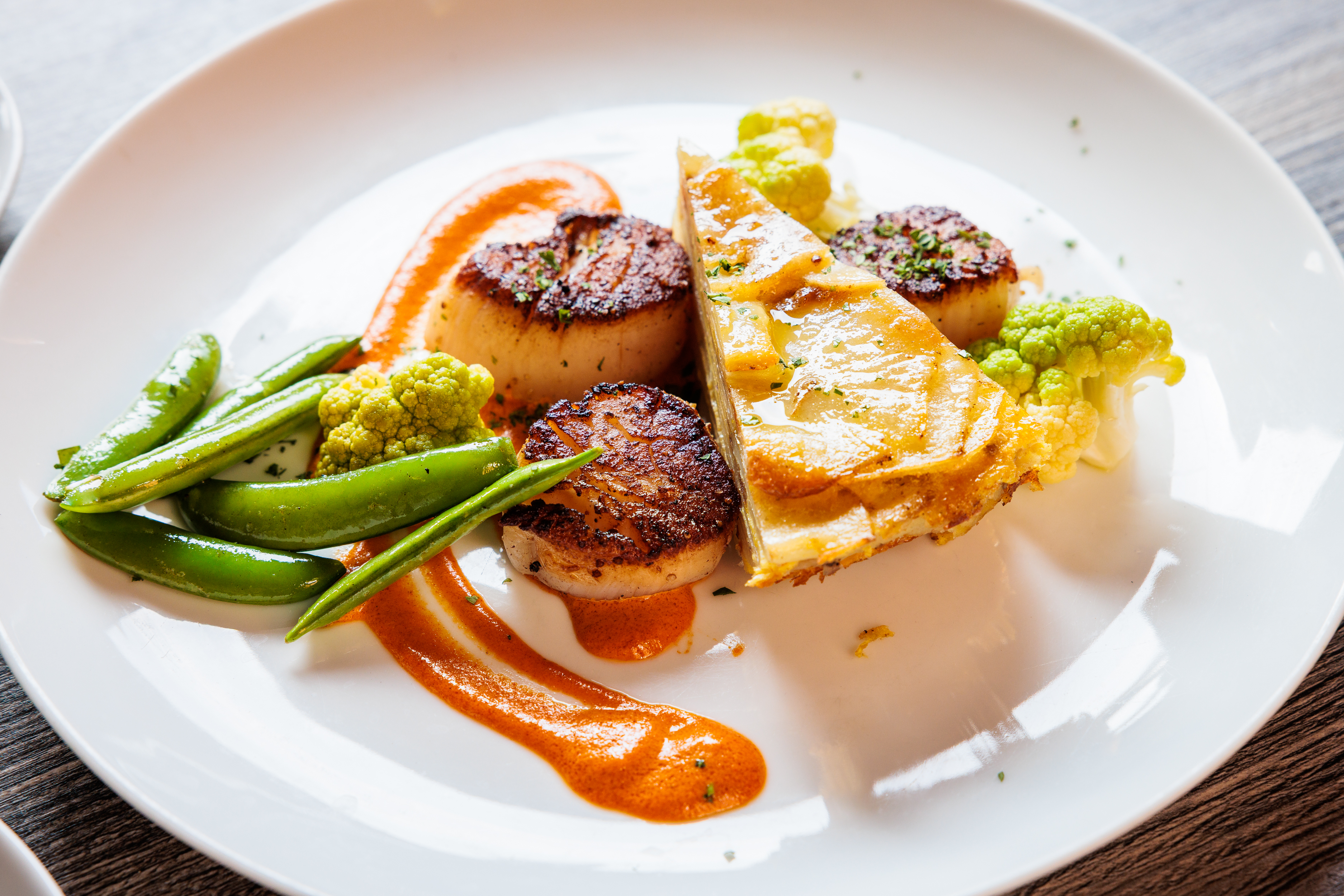
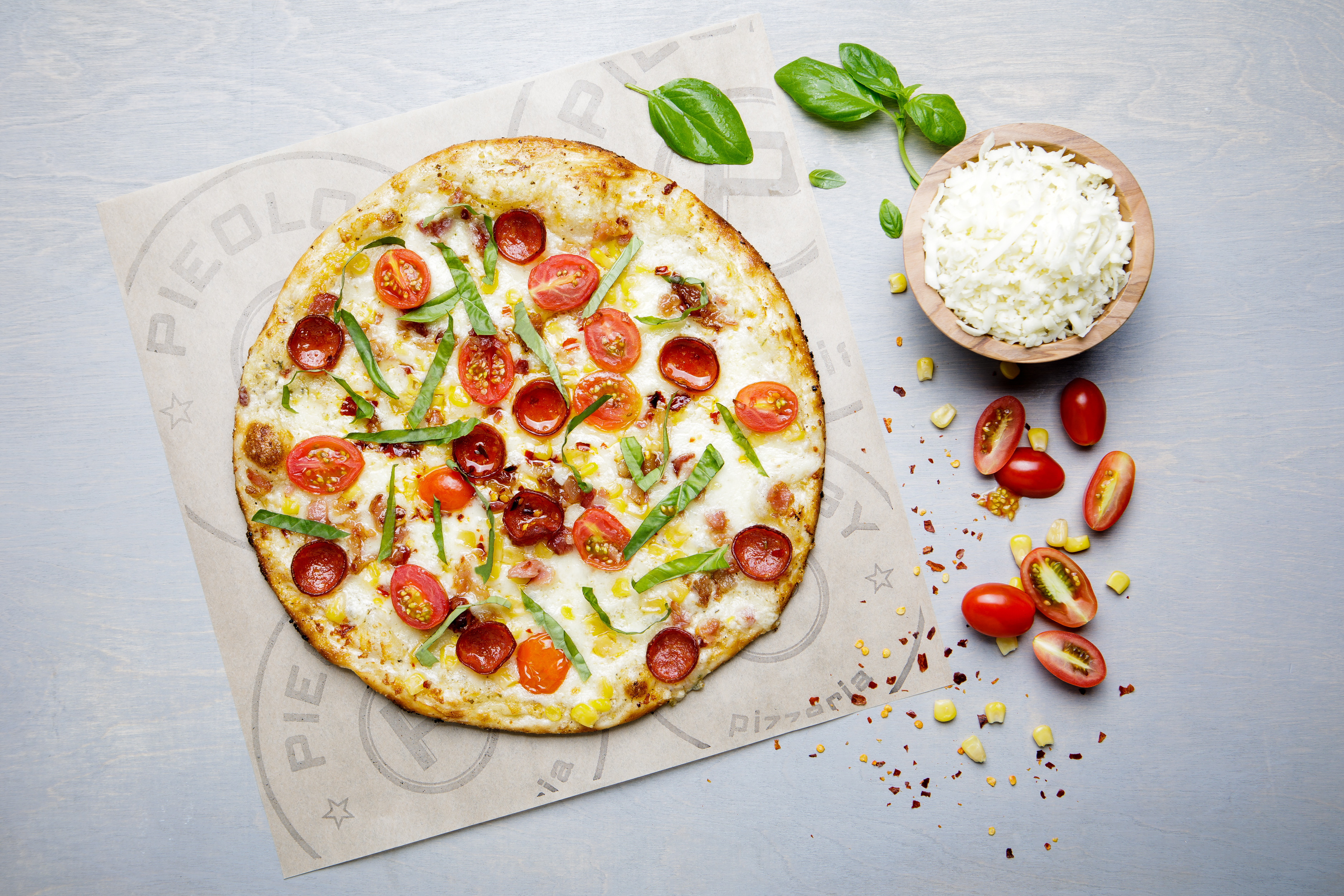
Hero images – polished, high-impact images that lead your brand
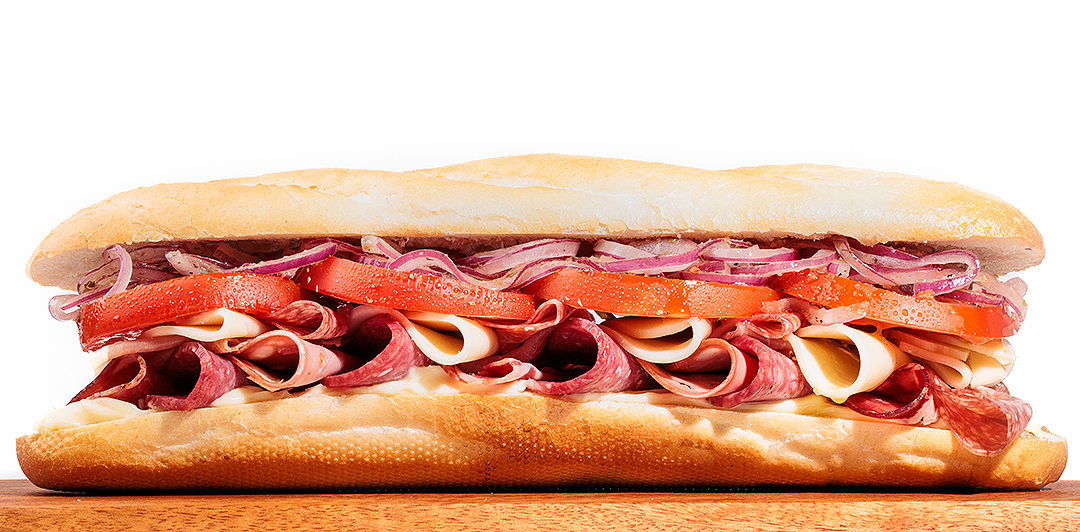
Menu images – consistent, clean photos for multiple dishes
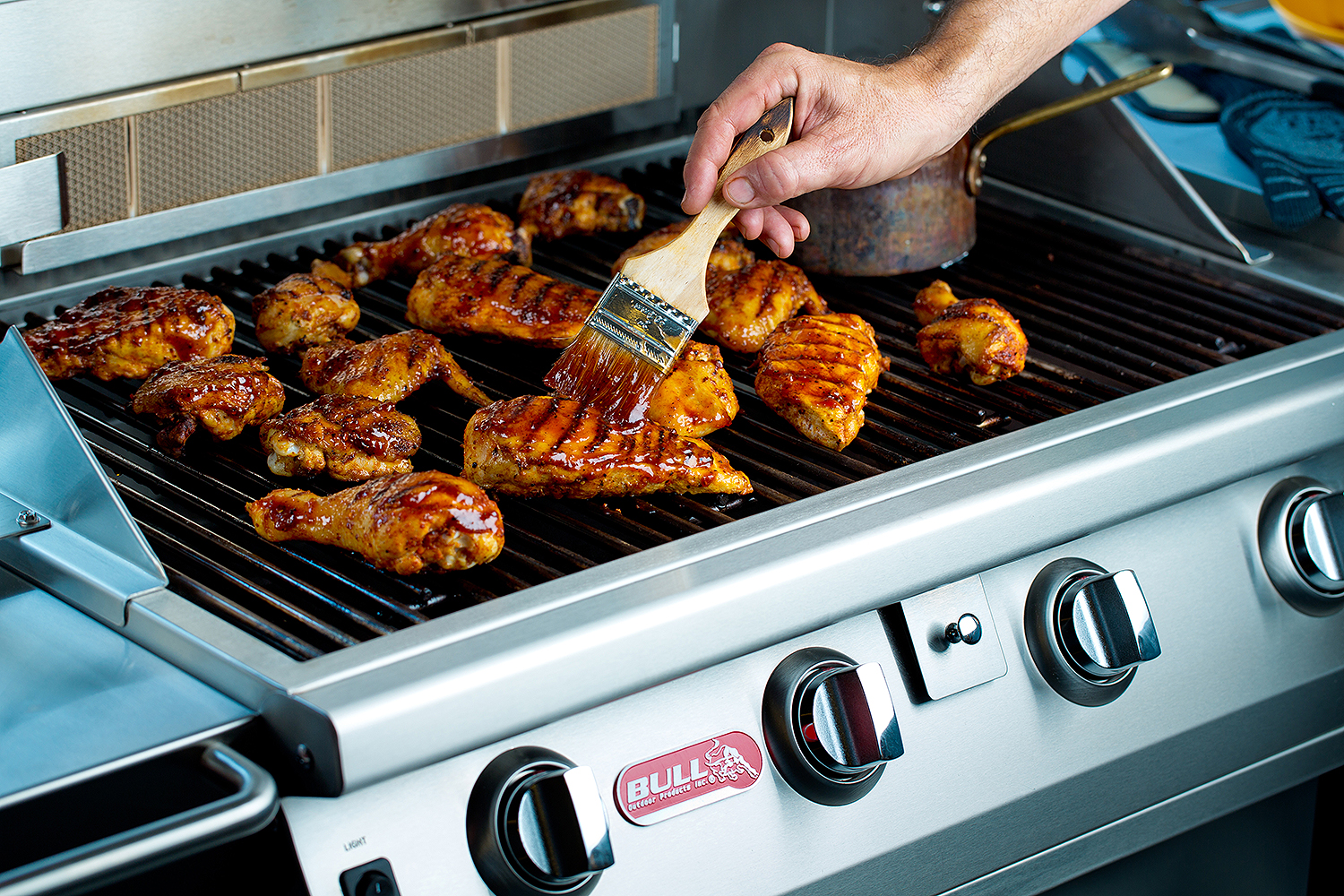
Process images – behind-the-scenes moments like plating, cooking, or prep
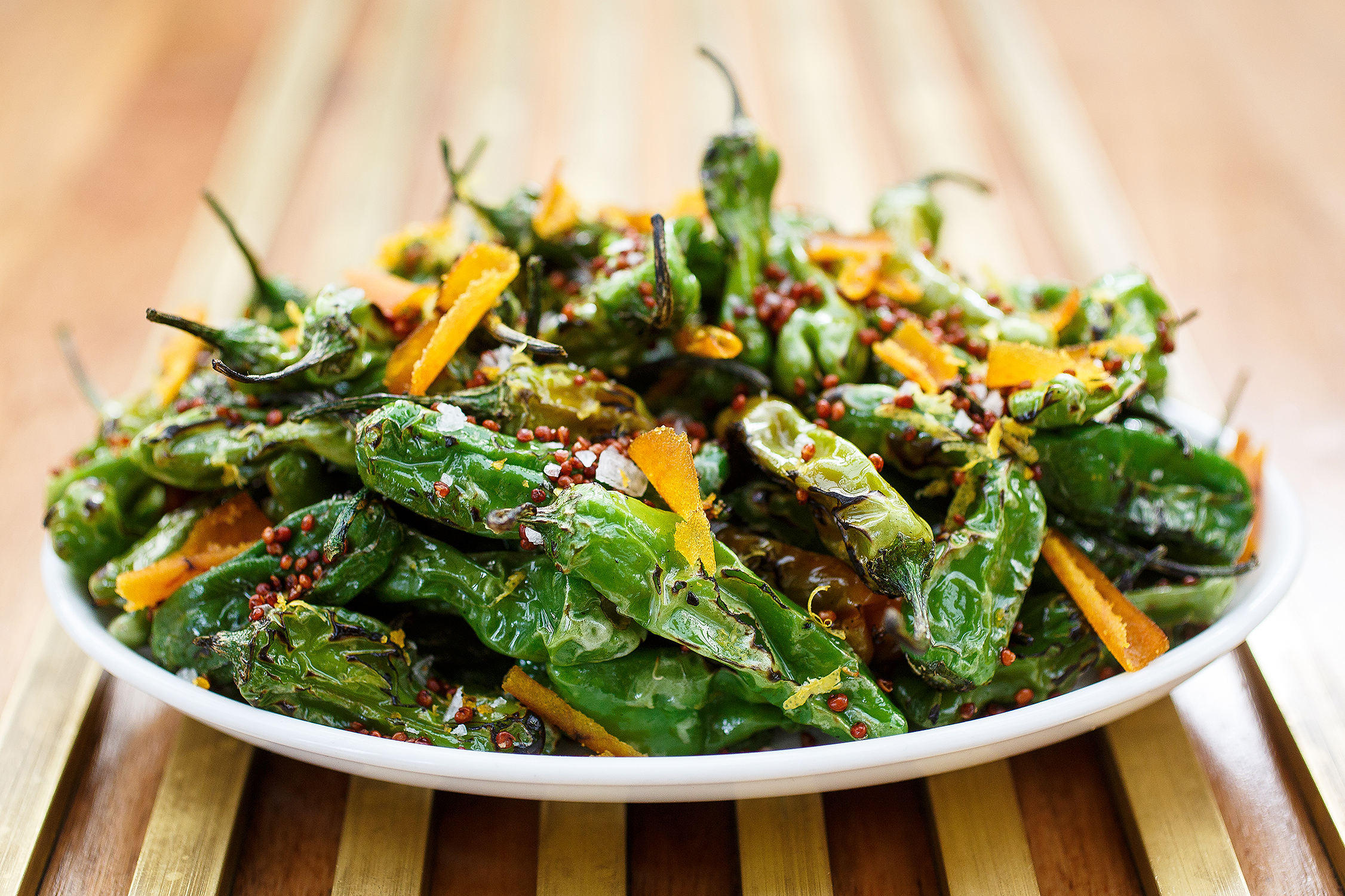
Detail shots – ingredients, textures, garnishes
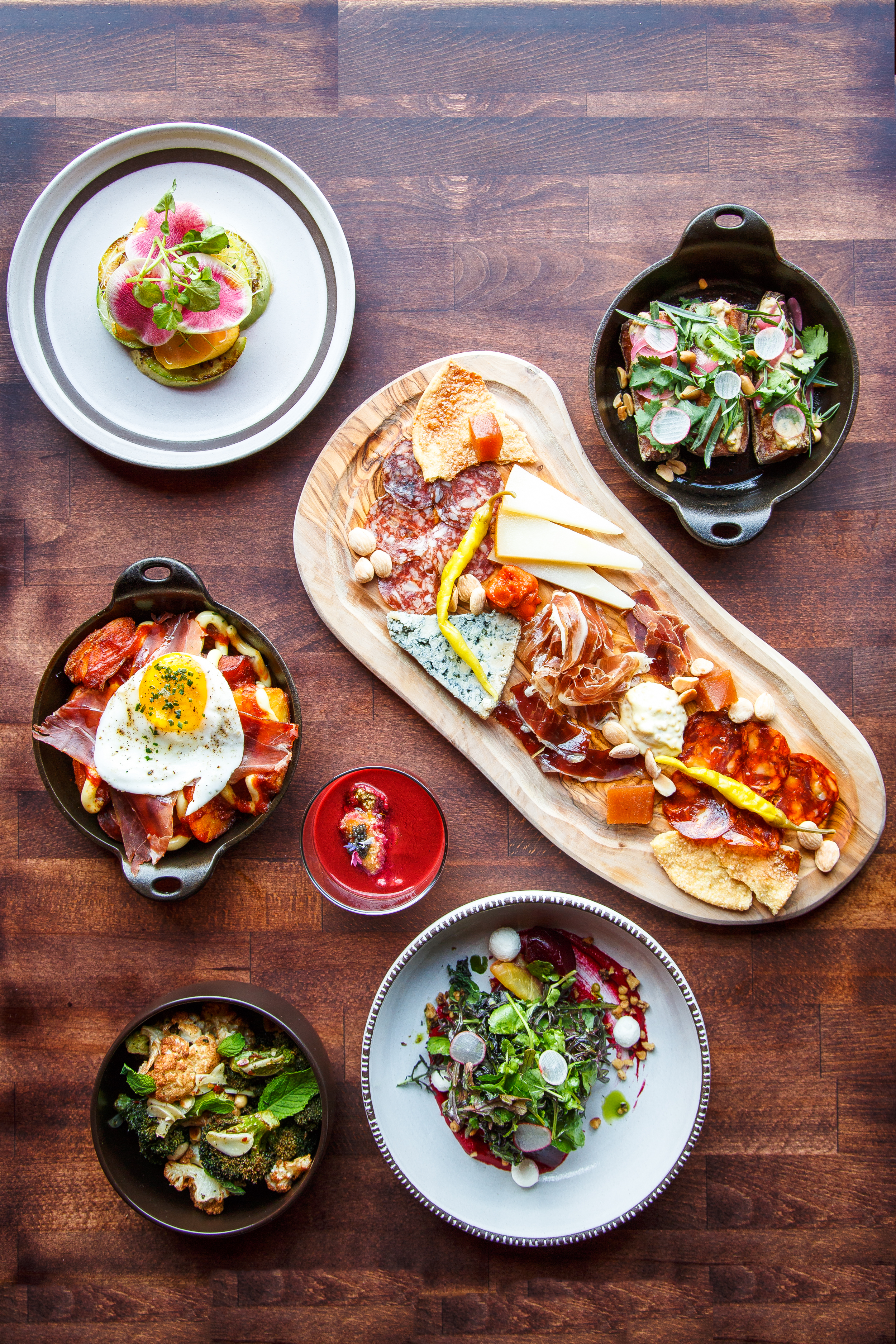
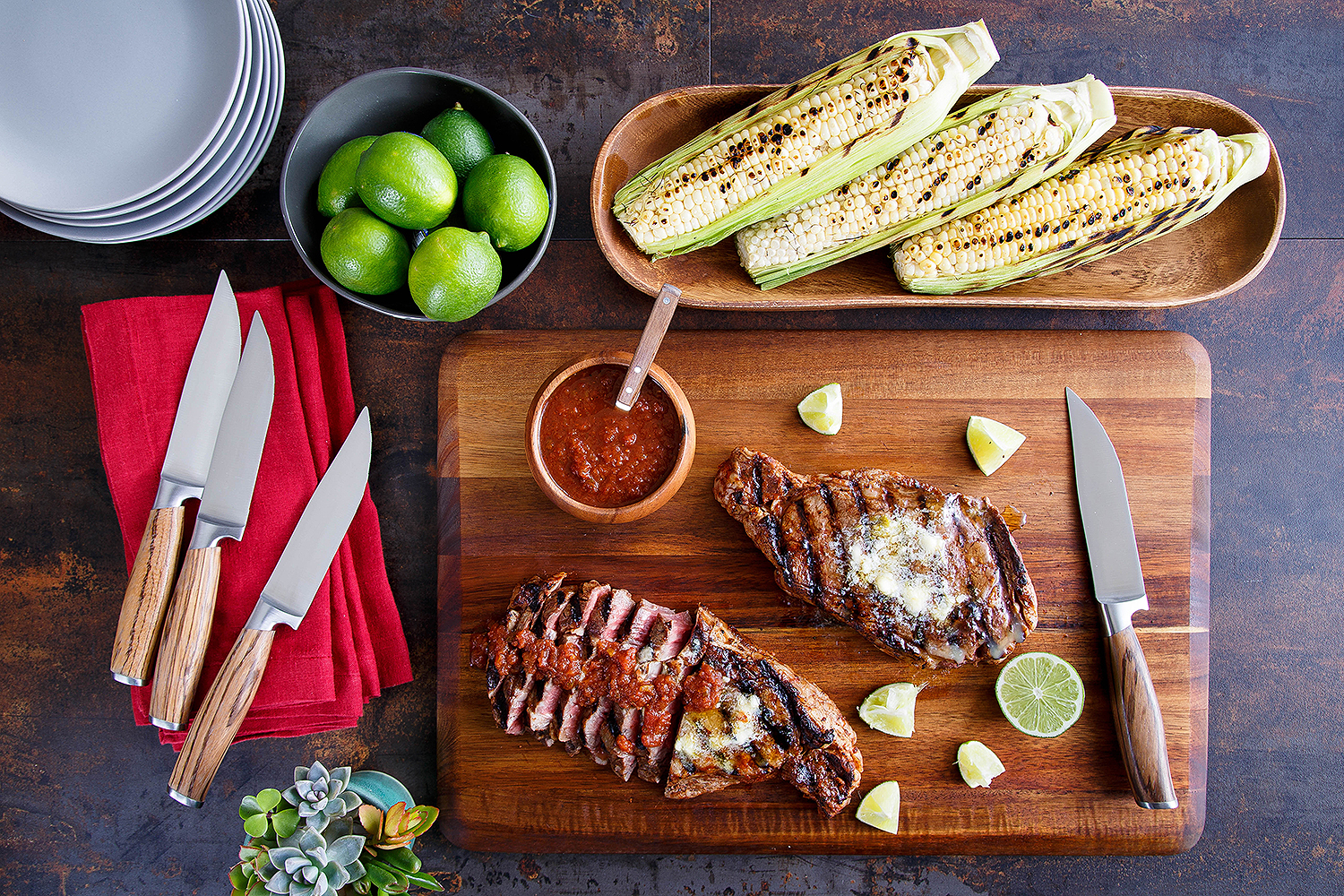
Family-style spreads – multiple dishes styled together for storytelling
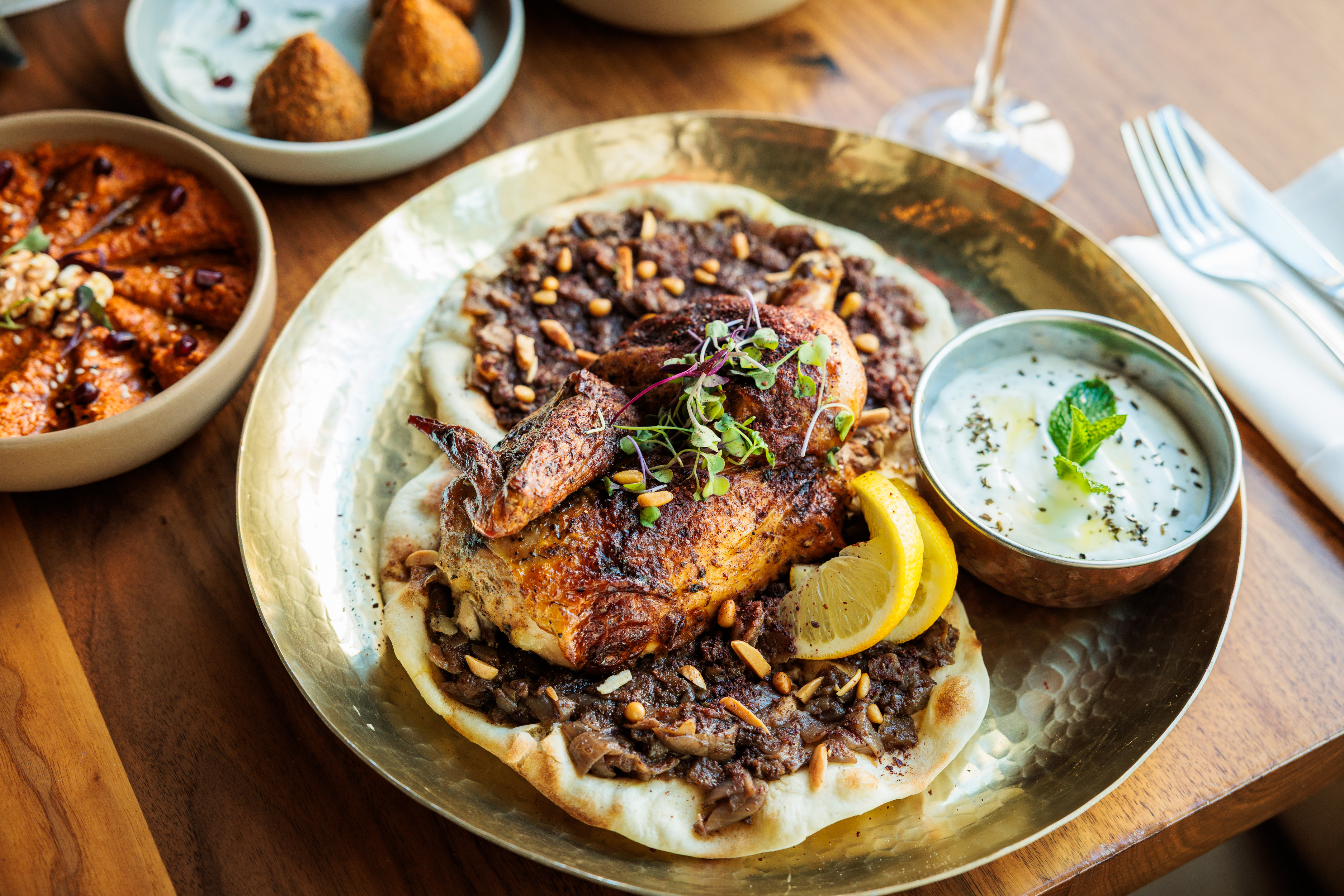
Single-dish compositions – focused, editorial-style frames
The number of dishes, angles, and setups directly impacts shoot time and cost.
TEAM & PRODUCTION NEEDS
Larger or more detailed shoots often benefit from a collaborative team.
Depending on the project, this may include:
Food stylist – ensures dishes look their best on camera
Food stylist assistant – Supports the food stylist with preparation, resets, and organizing upcoming dishes so the shoot stays efficient while the stylist focuses on on-set details.
Prop stylist – Selects and styles surfaces, linens, tableware, and supporting elements to complement the food and elevate the overall aesthetic.
Art director – Oversees the visual direction of the shoot to ensure consistency with your brand, campaign goals, and intended usage across platforms.
Client or brand representative – for real-time feedback and approvals
The size of the team affects both timeline and budget—and having the right people in place elevates the final images.
TIMELINE & SCHEDULING
Food photography is carefully planned - great images rarely happen last minute.
Helpful things to consider:
• When do you need the final images delivered?
• Are there seasonal ingredients or menu launches involved?
• How soon are you hoping to shoot?
Advance planning allows for thoughtful prep, creative direction, and a calmer shoot day - resulting in stronger images and a better overall experience.
FRESH INGREDIENTS
Professional food photography relies on food that looks its absolute best.
• Fresh, camera-ready ingredients photograph better and last longer on set
• Backup ingredients are often needed for styling and resets
• Garnishes, herbs, and finishing elements should be plentiful
Planning for freshness helps keep the shoot moving smoothly and ensures consistently beautiful results.
WHY THIS MATTERS
Providing this information upfront allows me to:
• Create a realistic, accurate estimate
• Assemble the right team
• Build a smooth, efficient shoot day
• Deliver images that truly support your business goals
Professional food photography is an investment - and clarity, planning, and experience are what turn that investment into images that perform.
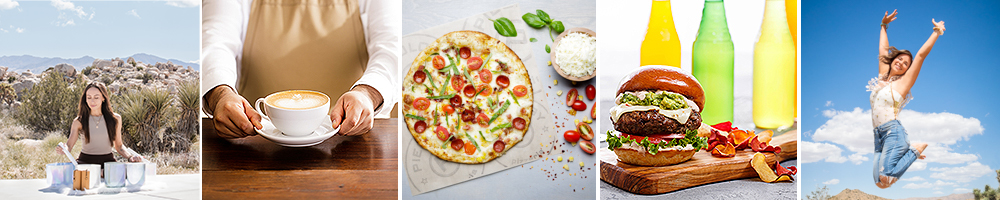
Los Angeles commercial photographer and creative partner specializing in food & beverage photography, brand image libraries, team photography, and editorial portraits. I partner with businesses, agencies, and creative teams to create strategic image libraries that tell authentic stories, strengthen brands, and support long-term growth.
E. [email protected] [email is best]
T. (323) 254-0704
FACEBOOK. INSTAGRAM. PINTEREST.
© 2026 Vanessa Stump. All rights reserved. Privacy Policy.